Dock and vessel heights rarely remain constant during marine operations. A vessel's freeboard can change with cargo, ballast, and fuel conditions, while quay elevation and water level can vary wit...
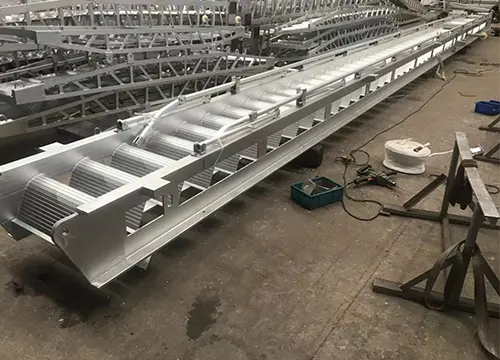
Access between a vessel and shore is rarely a simple matter of installing a ladder or extending a platform. Vessel freeboard, deck layout, quay height, tidal variation, working angle, available instal...
Every vessel has its own limitations. The available deck area may be narrow, the lifting point may sit several meters away from the proposed installation position, and existing structures can restrict...
A marine crane is rarely evaluated by lifting capacity alone. On a working vessel, the crane must reach the required handling points, operate safely within the vessel’s available deck area, and remai...
A fixed marine pilot chair is usually the better option when the helm requires a permanent and precisely positioned operator station. An unfixed pilot chair is more suitable when the wheelhouse needs ...
Choose a marine pilot chair according to the operator's working position, bridge console geometry, required visibility, vessel motion, and expected watch duration. For most commercial wheelhouses,...
The right rudder blade should match the vessel’s hull form, displacement, operating speed, propeller arrangement, steering requirements, and the capacity of the rudder stock and supporting components...
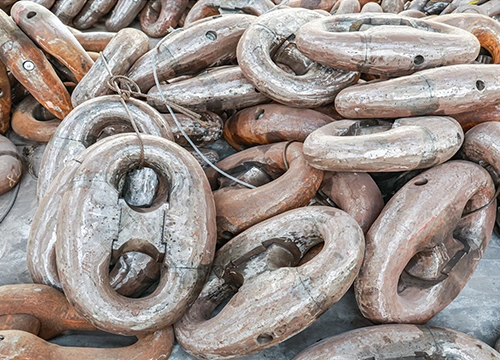
A reliable marine anchor is essential for maintaining vessel stability during mooring, anchoring operations, and emergency situations. The right anchor choice depends on vessel size, operating environ...
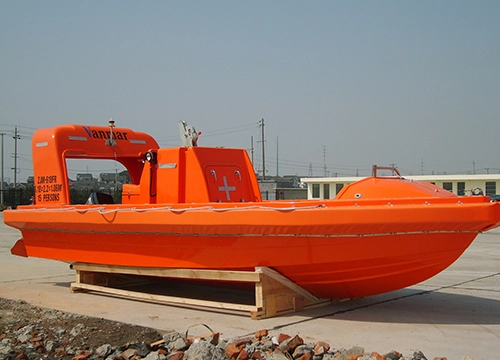
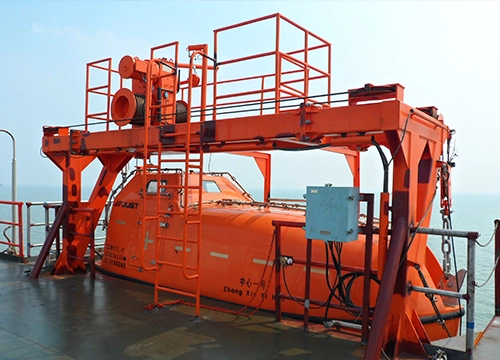
Every vessel operating offshore should carry a certified marine life raft that complies with international safety standards. In emergencies such as fire, collision, capsizing, or flooding, a properly ...
Selecting the right marine windows and doors depends on your vessel's operating environment, classification requirements, fire safety regulations, watertight integrity, and daily operational needs...


 English
 Español
 italiano
 português
 Nederland
 norsk
norsk