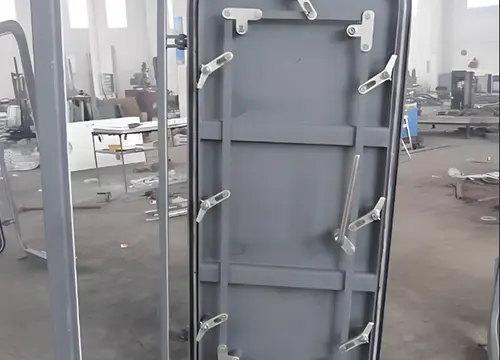
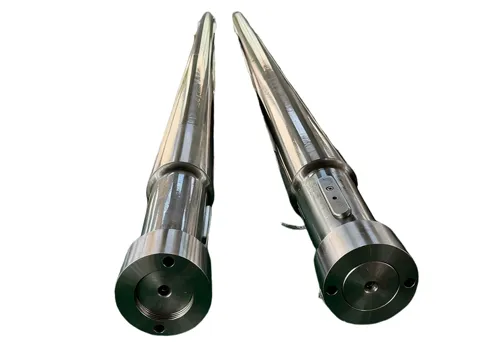
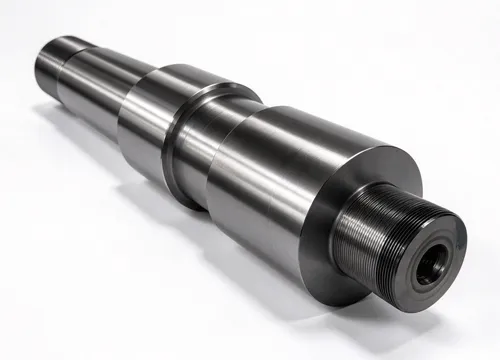
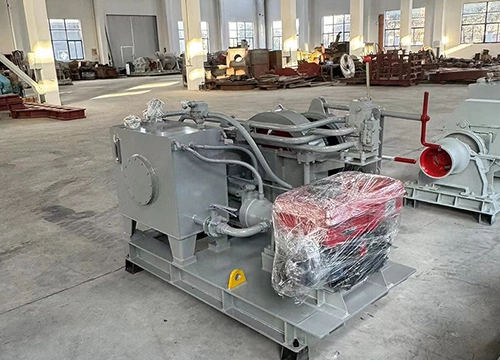
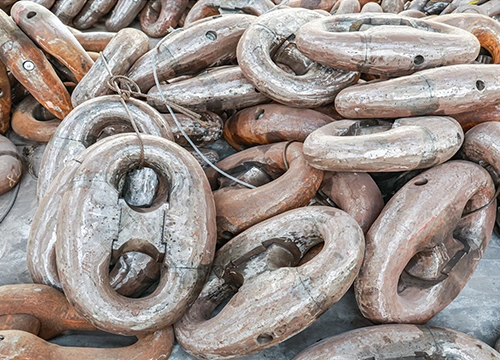
The right rudder blade should match the vessel’s hull form, displacement, operating speed, propeller arrangement, steering requirements, and the capacity of the rudder stock and supporting components. Selecting a blade by dimensions alone is risky: a change in blade area, profile, or balance can change steering torque and the loads transmitted through the entire rudder system.
For a commercial vessel, the rudder blade should therefore be treated as part of an integrated steering arrangement rather than as an isolated fabricated component. A typical marine rudder system combines the blade, rudder stock, supporting carrier or bearings, and sealing components.
The first question is not “What rudder size do I need?” but “How does this vessel need to maneuver?”
A cargo ship operating primarily at steady sea speed has different requirements from a tug, ferry, workboat, offshore vessel, or ship that performs frequent low-speed harbor maneuvers. Vessel speed also matters because the force acting on the rudder changes with the water flow around the blade.
When selecting a rudder blade, buyers and naval engineers should evaluate the following factors together:
| Selection Factor | What to Check | Why It Matters |
|---|---|---|
| Vessel type | Cargo ship, tanker, tug, ferry, workboat, etc. | Defines maneuvering requirements |
| Service speed | Normal and maximum speed | Influences hydrodynamic loading |
| Rudder area | Effective blade surface | Affects available steering force |
| Balance ratio | Area ahead of the stock axis | Influences steering torque |
| Propeller arrangement | Diameter, position and slipstream | Changes water flow over the blade |
| Rudder stock | Diameter, material and connection | Transfers blade loads |
| Bearing arrangement | Support location and capacity | Controls alignment and rotation |
| Material | Strength and corrosion considerations | Affects durability and fabrication |
These variables explain why two vessels with similar overall length may still require very different rudder configurations.
Rudder blade size should be based on vessel design and hydrodynamic requirements rather than a simple percentage of ship length.
The projected blade area must provide sufficient steering force at the vessel's intended operating conditions. At the same time, increasing rudder area also increases the forces that the rudder stock, bearings, carrier structure, and steering machinery may need to withstand.
This means a larger blade is not automatically a better blade.
For replacement projects, the existing dimensions are a useful starting point, particularly when the vessel has a proven operating history. However, if the original rudder has suffered repeated deformation, unusual vibration, heavy bearing wear, or poor maneuvering performance, simply reproducing the old dimensions may reproduce the original problem.
In these cases, the operating condition and failure pattern should be reviewed before the new blade is manufactured.
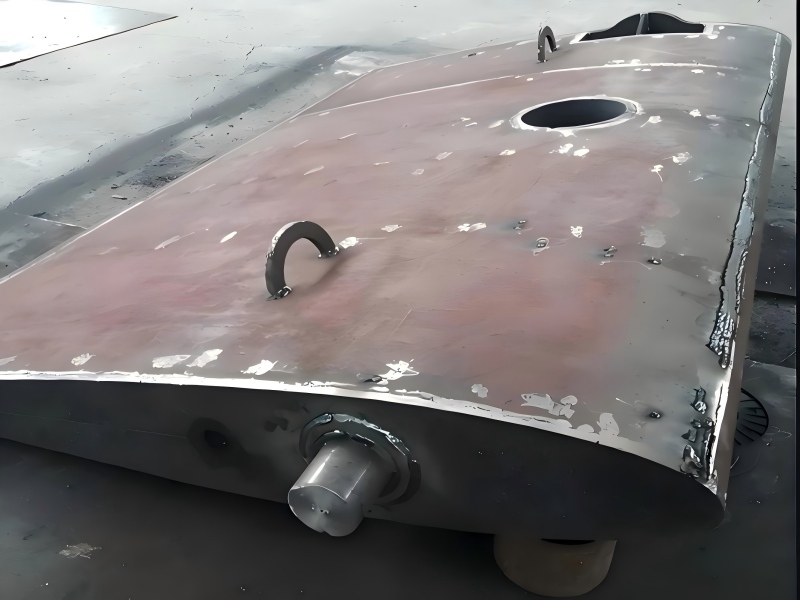
The difference is mainly the position of the rudder blade area relative to its rotational axis.
With an unbalanced rudder, most or all of the effective blade area is positioned behind the rudder stock axis. Water pressure acting on the blade therefore creates a relatively large turning moment that must be overcome by the steering system.
A balanced or semi-balanced design places part of the effective blade area ahead of the axis. This arrangement can reduce the steering torque required to turn the rudder.
The balance ratio should not be treated as an independent purchasing specification. It affects handling characteristics, stock loading, steering gear demand, and structural design. The final geometry should therefore be determined as part of the vessel's steering calculations rather than chosen because one blade rudder design appears more efficient than another.
The rudder stock is the mechanical link that transfers torque between the steering system and the blade. Normanship's marine rudder system description similarly identifies the stock as the transmission component connecting the steering function and rudder blade.
For this reason, changing the blade can change the requirements placed on the stock.
When working with rudder stock suppliers, buyers should provide more than a requested stock diameter. Useful engineering information includes the rudder drawing, blade area, stock connection dimensions, design torque, vessel operating condition, required material, and applicable classification requirements.
For a replacement rudder, the existing stock should also be checked for straightness, corrosion, surface damage, and wear around bearing and sealing positions.
The connection between the stock and blade deserves particular attention. Even if both components are individually strong enough, poor dimensional matching or machining accuracy can affect alignment and load distribution after installation.
The rudder carrier bearing supports the rotating rudder arrangement and helps keep the rudder stock correctly positioned as loads are transferred from the blade into the hull structure.
Depending on the vessel design, upper and lower supports may perform different load-bearing functions. Normanship's current rudder carrier information, for example, distinguishes the upper support carrying radial and some axial forces from the lower support primarily carrying radial forces near the blade.
This is why the rudder carrier cannot be considered separately from blade selection.
If the new rudder creates greater hydrodynamic loading than the original arrangement, the resulting forces do not stop at the blade. They continue through the stock, rudder carrier, bearings, steering gear, and supporting hull structure.
During a replacement or retrofit, bearing clearances and wear conditions should therefore be checked rather than assuming that the existing rudder carrier can automatically be reused.
There is no single material specification suitable for every vessel.
The required material depends on blade construction, design load, fabrication method, corrosion protection, classification requirements, and the vessel's operating environment.
Normanship currently lists carbon steel, carbon-manganese steel, and alloy steel options for its rudder blade products. For a real project, however, material selection should follow the approved drawing and engineering specification rather than a general product catalogue.
Fabrication quality is just as important as nominal steel grade.
A fabricated rudder may incorporate internal webs, stiffeners, connection structures, and welded plates. Dimensional accuracy, weld quality, internal reinforcement, and inspection procedures all influence whether the finished rudder can repeatedly carry hydrodynamic loads over its intended service life.
Replacing the blade is a good opportunity to inspect the surrounding stock and sealing arrangement.
A rudder shaft seal helps restrict seawater and sediment from entering the rudder stock bearing area while also controlling lubricant leakage.
A worn sealing surface or damaged seal can therefore affect components beyond the seal itself. Water ingress may accelerate corrosion or contamination around the bearing arrangement, while lubricant leakage can reduce effective lubrication.
If the blade is being replaced because of grounding, impact, or severe vibration, inspecting the seal and its mating surfaces is particularly important because the event may have affected alignment elsewhere in the rudder system.
Yes, in some projects, but the rest of the rudder system should be inspected first.
Before manufacturing a replacement, check the stock connection, stock straightness, bearing clearance, carrier condition, seals, and steering response. If the original damage resulted from impact, excessive clearance, poor alignment, or an unsuitable hydrodynamic arrangement, installing a new blade alone may not solve the underlying issue.
For an older boat steering rudder, this system-level inspection is especially useful because several components may have accumulated wear at the same time.
A replacement drawing should also confirm important interfaces rather than relying exclusively on external measurements of the damaged blade.
The most useful starting point is an existing rudder or stern arrangement drawing.
The supplier should also know the vessel type, principal dimensions, displacement, design or service speed, propeller arrangement, steering angle, stock dimensions, blade material, connection details, and classification requirements.
For replacement projects, provide photographs of the blade, stock connection, damaged areas, and bearing arrangement where possible.
This information allows the manufacturer to identify potential interface issues before production begins.
The objective is not simply to purchase a blade rudder with approximately the correct height and width. The objective is to obtain a rudder blade that operates correctly with the vessel's rudder stock, rudder carrier, bearings, sealing arrangement, steering gear, and stern structure.
Yes. Increasing blade area can increase steering force, but it can also increase hydrodynamic loads and steering torque. The rudder stock, carrier, bearings, steering gear, and hull structure must be able to accommodate the resulting loads.
Possible causes include blade damage or deformation, bearing clearance, misalignment, disturbed water flow, propeller-rudder interaction, or structural problems. The blade should therefore be inspected as part of the complete steering system.
Not automatically. The original specification is an important reference, but the replacement material should also comply with the approved design, required mechanical properties, fabrication procedures, and applicable classification requirements.
The rudder blade interacts with the water to create steering force. The rudder stock provides the rotating structural connection through which steering torque is transferred to the blade.
Confirm the vessel data, blade geometry, stock interface, design loading, materials, manufacturing requirements, inspection requirements, and classification requirements. This reduces the risk of treating the rudder blade as an isolated steel fabrication when it is actually part of a complete steering system.


 English
 Español
 italiano
 português
 Nederland
 norsk
norsk