A reliable rudder system is essential for maintaining steering control and safe vessel operation. Within this system, the rudder sealing device helps prevent seawater and contaminants from entering the steering compartment while limiting lubricant leakage from the rudder assembly.
Over time, sealing components may experience wear, contamination, misalignment, or deterioration caused by operating conditions. If these issues are not identified promptly, they can contribute to leakage, increased maintenance requirements, and damage to related components.
For shipowners, shipyards, marine engineers, and spare-parts procurement teams, understanding rudder seal maintenance is important when inspecting existing equipment or selecting replacement components. This guide explains common leakage causes, practical inspection considerations, and the information required to source a compatible marine rudder sealing device.
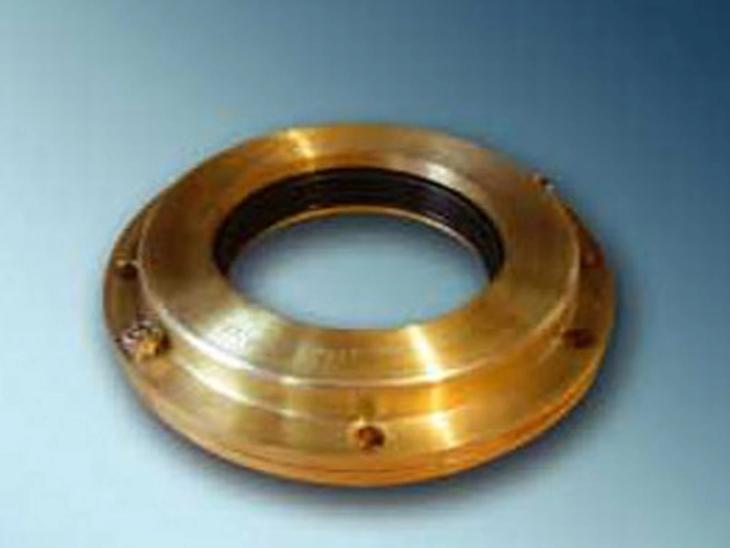
A marine rudder sealing device forms part of the sealing arrangement around the rudder stock, helping control the movement of water and lubricants between adjacent spaces.
The rudder stock transfers steering forces through the rudder assembly, while associated bearings and support components help maintain the required positioning and movement. The sealing arrangement must accommodate the intended movement of the stock while maintaining its specified sealing function.
A properly selected rudder seal helps address several operational requirements:
Water exclusion: Reducing unwanted seawater ingress into protected compartments.
Lubricant retention: Helping prevent lubricant leakage where the design requires oil retention.
Contaminant protection: Limiting the entry of waterborne contaminants into associated components.
Reliable operation: Maintaining suitable sealing performance under the specified operating conditions.
The exact function depends on the sealing device's design and installation location. Not every seal has identical pressure limits, lubrication arrangements, or service requirements.
Leakage can develop for several reasons, and replacing the seal alone may not resolve the underlying problem.
Sealing components may gradually wear through normal service. Material deterioration can also occur because of unsuitable operating conditions, chemical exposure, or the effects of aging.
The expected service life depends on the seal material, stock condition, operating environment, and maintenance history.
A sealing element operates against a mating surface. Scratches, corrosion, scoring, or excessive surface wear can interfere with effective sealing.
Before installing a replacement, inspect the relevant shaft surface according to the manufacturer's procedure. Installing a new seal against a damaged mating surface may result in continued leakage.
Misalignment, excessive shaft movement, or worn supporting components may affect how consistently the seal contacts the rudder stock.
These problems can also involve the rudder carrier bearing, which supports the rudder stock and helps maintain its intended position. If bearing wear allows excessive movement, the sealing arrangement may experience additional stress.
The actual cause should be confirmed through inspection rather than assuming that every leak originates from the seal itself.
A rudder carrier bearing supports the rudder stock and transfers relevant loads into the surrounding structure according to the system design. Its condition can influence shaft positioning and the operation of the associated sealing components.
Potential warning signs may include unusual clearance, abnormal movement, increased vibration, uneven wear, or changes in steering-system behavior. These symptoms are not conclusive on their own, but they may indicate that the supporting arrangement needs further investigation.
When leakage occurs, maintenance teams should assess the seal, mating surface, supporting bearings, mounting arrangement, and alignment together.
Depending on the vessel's design, inspection may require checking shaft movement, bearing clearances, fasteners, and the condition of associated components.
The acceptable limits and measurement procedures should follow the vessel's approved maintenance documentation and equipment manufacturer's requirements.
A structured inspection helps maintenance teams identify potential problems and determine whether repair or replacement is necessary.
For a boat steering rudder assembly, the following checks may be relevant, depending on the system configuration:
Check for visible leakage: Look for signs of seawater ingress or lubricant escaping around the sealing area.
Inspect accessible sealing surfaces: Check for corrosion, scoring, contamination, or other visible damage.
Review bearing condition: Investigate unusual movement or wear that may affect rudder-stock positioning.
Check mounting and connections: Verify that relevant components remain secure and consistent with the approved installation.
Review maintenance history: Consider previous seal replacements, recurring leakage, and any recent steering-system repairs.
Document findings: Record the equipment identification, observed symptoms, and relevant measurements.
Inspection should be conducted under appropriate safety conditions. Work involving rudder-stock removal, bearing replacement, or access to underwater components may require specialized marine maintenance procedures.
The decision depends on the condition of the seal, the cause of leakage, and the manufacturer's maintenance requirements.
Replacement may be appropriate when the sealing element is worn, damaged, or no longer meets its specified performance requirements. However, if the leakage is caused by shaft damage, excessive movement, or an incorrectly installed component, these underlying issues must also be addressed.
Before replacement, verify the seal's dimensions, material, installation orientation, and compatibility with the existing rudder-stock arrangement.
For vessels operating under classification or other inspection requirements, maintenance and replacement work should follow the applicable procedures and documentation requirements.
Providing accurate technical information helps suppliers identify a suitable replacement and reduces the risk of ordering an incompatible component.
Before requesting a quotation, prepare:
Vessel type and rudder-system configuration.
Rudder-stock diameter and relevant interface dimensions.
Existing sealing-device model or identification number.
Seal material and design requirements, where known.
Operating environment and relevant lubrication conditions.
Drawings, photographs, or measurements of the existing assembly.
Required quantity and delivery schedule.
Marine rudder seal maintenance involves more than identifying visible leakage. Seal wear, damaged shaft surfaces, misalignment, and problems with supporting bearings can all affect sealing performance.
A systematic inspection of the sealing device and associated rudder-stock components helps maintenance teams identify the likely cause and determine the appropriate corrective action.
For replacement purchases, confirm the existing equipment dimensions, sealing requirements, and installation conditions before selecting a product. Coordinating seal maintenance with the condition of the complete rudder assembly helps support reliable steering-system operation.
A marine rudder seal helps control seawater ingress and lubricant leakage around the rudder stock, depending on the design and installation arrangement.
Common causes include seal wear, deteriorated sealing materials, damaged shaft surfaces, contamination, misalignment, and excessive movement caused by supporting-component wear.
It can contribute to sealing problems if bearing wear allows excessive shaft movement or changes the alignment of the sealing arrangement. Inspection is needed to establish the actual cause.
Confirm the rudder-stock diameter, sealing-device dimensions, material requirements, installation arrangement, and equipment model. Drawings and photographs can help the supplier verify compatibility.
Not automatically. The cause of leakage should first be investigated. Replacement may be necessary, but damaged shaft surfaces, worn bearings, or alignment issues may also require attention.
Depending on the equipment design, checks may include visible leakage, seal condition, shaft-surface damage, bearing movement, mounting security, and maintenance records. Follow the vessel's approved maintenance procedures and the manufacturer's instructions.


 English
 Español
 italiano
 português
 Nederland
 norsk