A vessel's propulsion system depends on the coordinated operation of the engine, gearbox, shafting, bearings, and propeller. Even when each component meets its individual specifications, poor shaft alignment can cause excessive vibration, accelerated bearing wear, mechanical stress, and reduced propulsion reliability.
For shipowners, shipyards, marine engineers, and equipment procurement teams, understanding shaft alignment is essential when installing new propulsion equipment or replacing worn components. Correct alignment helps the shaft transmit engine torque smoothly while maintaining the intended operating conditions of connected components.
This guide explains common causes of marine propeller shaft vibration, the relationship between alignment and component wear, and what to check when selecting a replacement shaft.
A marine propeller shaft transfers rotational power from the engine or gearbox to the propeller, generating the thrust required to move the vessel. The shaft operates as part of a connected mechanical system that includes bearings, couplings, and the stern tube arrangement.
Shaft alignment refers to positioning these components according to the specified geometry and operating conditions. The objective is to maintain appropriate alignment between connected rotating components while accounting for the vessel's structural characteristics and the requirements of the propulsion system.
Alignment is important because the shaft must transmit torque while operating under mechanical loads, vibration, and changing environmental conditions.
Several factors influence alignment:
Engine and gearbox positioning: Their mounting arrangement affects the relationship between connected shaft sections.
Bearing locations: Bearing positions influence shaft support and loading.
Shaft dimensions: Diameter, length, taper, and coupling geometry affect compatibility with the propulsion arrangement.
Hull and foundation conditions: Structural deformation and installation tolerances can influence the alignment of the shafting system.
Operating conditions: Temperature, loading, and vessel movement may affect alignment and component behavior.
A correctly specified marine propeller shaft must therefore be considered alongside the complete propulsion arrangement rather than as an isolated component.
Vibration can arise from several sources, and shaft misalignment is only one possible cause. Identifying the underlying problem is important before replacing components or adjusting the installation.
When connected components are not aligned according to the design requirements, additional forces may act on bearings, couplings, and the shaft. These forces can contribute to vibration and uneven wear.
Misalignment may result from installation errors, changes in machinery foundations, or structural movement. The actual cause should be confirmed through appropriate inspection and measurement.
A damaged or improperly balanced propeller can generate periodic forces during rotation. Blade damage, fouling, deformation, or unsuitable propeller specifications may contribute to vibration even when shaft alignment is acceptable.
Inspection should therefore consider the propeller and shafting system together.
Worn bearings, damaged shaft surfaces, excessive runout, or other mechanical defects can affect rotating performance. Corrosion and fatigue may also become relevant depending on the material, operating environment, and service history.
Because several faults can produce similar symptoms, vibration should be investigated systematically rather than attributed automatically to shaft alignment.
A shafting system relies on its bearings and couplings to support rotation and transmit torque. When alignment falls outside the specified limits, these components may experience additional mechanical loads.
Bearing wear: Uneven loading can increase wear and operating temperatures, potentially shortening bearing service life.
Coupling stress: Misalignment can create additional forces at connected shaft sections and place greater demands on coupling components.
Shaft fatigue: Repeated cyclic loading may contribute to fatigue damage, particularly where stress concentrations or existing material defects are present.
Seal performance: Excessive shaft movement or vibration may affect sealing components, depending on the system design and the condition of the seals.
These effects are not inevitable consequences of every small alignment deviation. Their severity depends on the amount and type of misalignment, shaft speed, loading, bearing design, and operating conditions.
When abnormal vibration or temperature is detected, qualified marine engineers should evaluate the complete system against the applicable installation and maintenance specifications.
Installation quality has a direct influence on propulsion system reliability. Before a new shaft is installed, the engineering team should confirm that its dimensions and interfaces match the approved drawings.
Important checks include:
Shaft diameter and length: Confirm that the dimensions correspond to the vessel's design.
Taper and thread details: Verify compatibility with the propeller hub and specified retaining arrangement.
Coupling and flange interfaces: Check the required geometry and connection details.
Bearing and stern tube arrangement: Confirm compatibility with the specified support and sealing system.
Alignment measurements: Verify the relevant alignment conditions using the approved procedure.
Inspection documentation: Review the required material, dimensional, and test records.
The exact inspection procedure depends on the vessel and propulsion configuration. Alignment tolerances should be established by the responsible engineer or equipment manufacturer rather than assumed to be identical across all vessels.
Choosing the right shaft requires matching the mechanical design to the vessel's power transmission requirements.
Shaft diameter and material selection depend on factors such as transmitted torque, rotational speed, bending loads, fatigue requirements, corrosion exposure, and the applicable design standards.
Marine shafts may be manufactured from stainless steel, alloy steel, or forged steel, depending on the intended application and specification. Buyers should verify the actual material grade and relevant mechanical properties rather than relying on a general material description.
The shaft's length, taper, threads, flange dimensions, and other interfaces must also match the existing or newly designed propulsion arrangement.
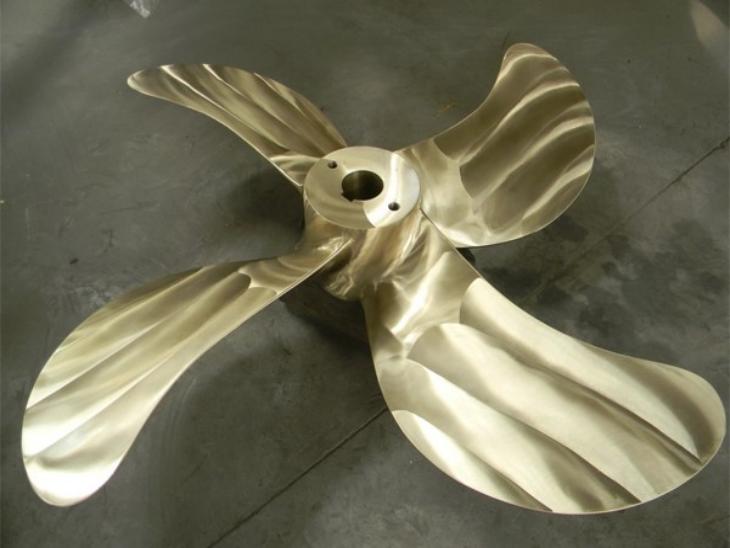
For projects involving marine propellers and propulsion equipment, the propeller and shaft should be evaluated as compatible components. Propeller diameter, hub configuration, shaft interface, gearbox ratio, engine output, and operating speed can all affect the overall system design.
When comparing a marine propeller for sale or sourcing a replacement shaft, buyers should assess technical compatibility as well as price and delivery time.
Before requesting a quotation, prepare the vessel type, engine power and speed, gearbox ratio, shaft diameter, required length, taper details, coupling drawings, and operating conditions.
Ask the supplier to confirm the available material options, machining capabilities, dimensional inspection procedures, and relevant classification documentation where required.
Normanship provides Marine Propeller Shaft solutions and supports manufacturing according to customer drawings, including specified diameters, lengths, and tapers. The published product information lists a diameter range of 20–200 mm and customized lengths up to 12 m; confirm the current specifications and feasibility for the individual project before ordering.
Providing complete drawings and interface measurements helps the supplier assess whether the proposed shaft matches the vessel's requirements.
Marine propeller shaft alignment is an important factor in propulsion system reliability. Misalignment can contribute to vibration, bearing wear, coupling stress, and other mechanical problems, although similar symptoms may also originate from propeller damage, imbalance, or worn components.
Before installing or replacing a shaft, verify its dimensions, material specifications, coupling interfaces, and compatibility with the stern tube and bearing arrangement. Alignment should then be checked according to the approved engineering procedure.
By coordinating shaft selection, installation measurements, and component inspection, shipowners and marine engineering teams can make more informed decisions when maintaining or upgrading a vessel's propulsion system.
Possible causes include shaft misalignment, propeller imbalance or damage, worn bearings, shaft defects, and problems with connected machinery. Proper inspection is needed to identify the actual cause.
Correct alignment helps maintain the intended relationship between the engine, gearbox, shaft, bearings, and propeller. It can reduce unnecessary mechanical loading and support reliable operation.
Replacement may be necessary if inspection identifies unacceptable wear, corrosion, cracking, deformation, or dimensional problems. The decision should be based on qualified engineering assessment and applicable acceptance criteria.
Provide the shaft diameter and length, taper and thread details, coupling dimensions, material requirements, vessel and engine information, and relevant drawings.
Yes. Normanship's published product information indicates that shaft dimensions, including length and taper, can be manufactured according to customer drawings or specified requirements. Confirm the exact scope with the supplier.


 English
 Español
 italiano
 português
 Nederland
 norsk